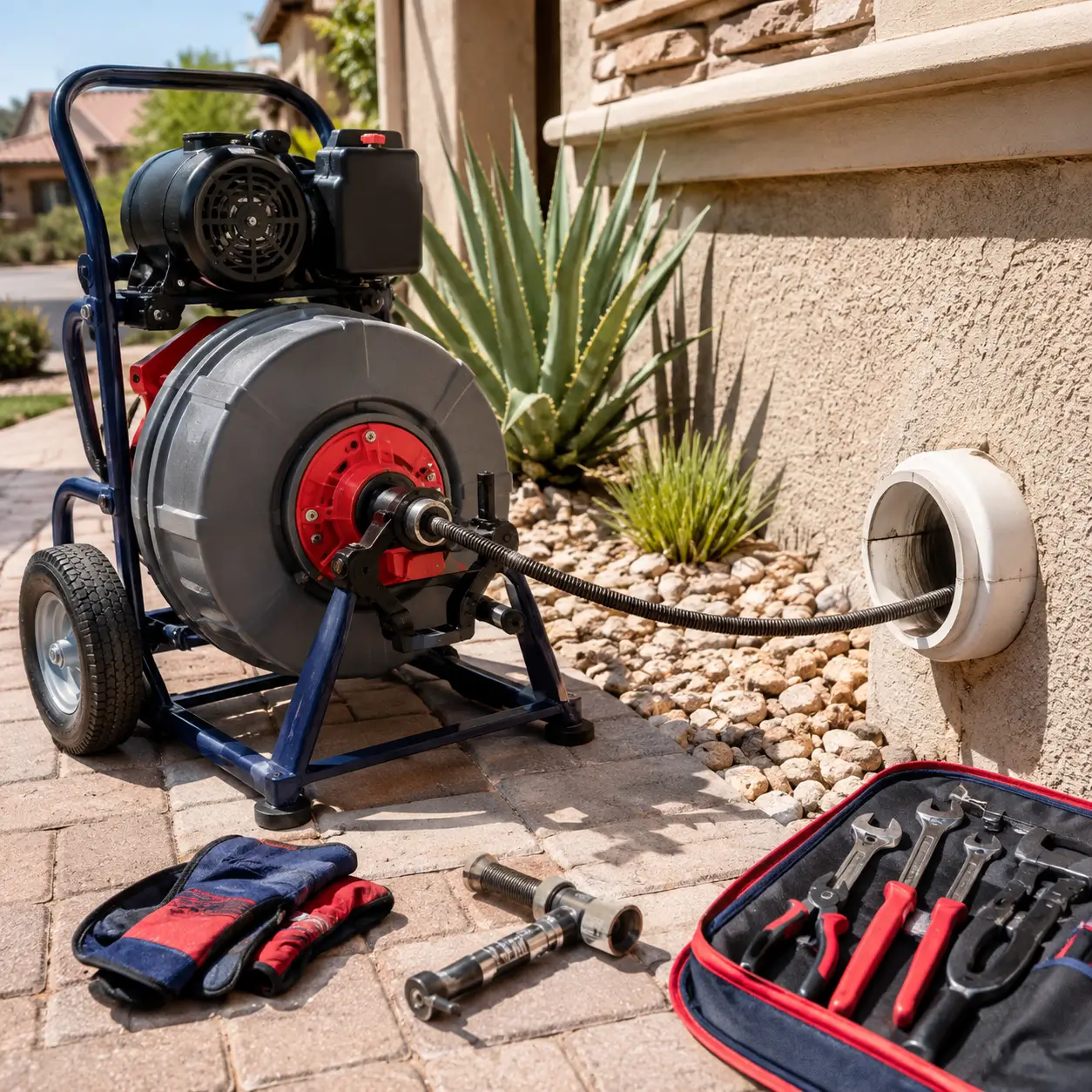
Red Carpet Plumbing detects and repairs slab leaks for homes and businesses throughout the Las Vegas Valley. Slab leaks are one of the most serious plumbing problems a Las Vegas homeowner can face. Our licensed plumbers use professional detection equipment to locate the leak precisely and explain all repair options before any work begins.
Licensed plumbers. Transparent pricing. No hidden fees.
Signs You May Have a Slab Leak
A slab leak can develop gradually beneath your home's foundation and cause significant damage before any visible sign appears. Recognizing the warning signs early helps you act before the leak causes foundation cracking, mold growth, or extensive flooring damage.
Warning Signs of a Slab Leak
An unexplained increase in your water bill
The sound of running water when all fixtures are off
Warm or hot spots on the floor, especially on tile or concrete
Damp spots on flooring near walls
Unexplained cracks in walls or flooring
A musty odor from floors or lower walls
Reduced water pressure throughout the home
The Water Meter Test
Turn off every water fixture and appliance in the home. Find your water meter near the street in a ground-level box and check whether the dial or digital display is still moving. If the meter continues to advance with all water off, water is being used somewhere in your system. Call a plumber for a professional inspection to locate the source.
Slab leaks can cause serious foundation and structural damage if left untreated. If you notice any of these signs, contact Red Carpet Plumbing for professional detection and assessment before the damage worsens.
Slab Leak Services in Las Vegas
Red Carpet Plumbing provides professional slab leak detection and repair for residential and commercial properties throughout the Las Vegas Valley. We locate leaks precisely and present all repair options before any work begins.
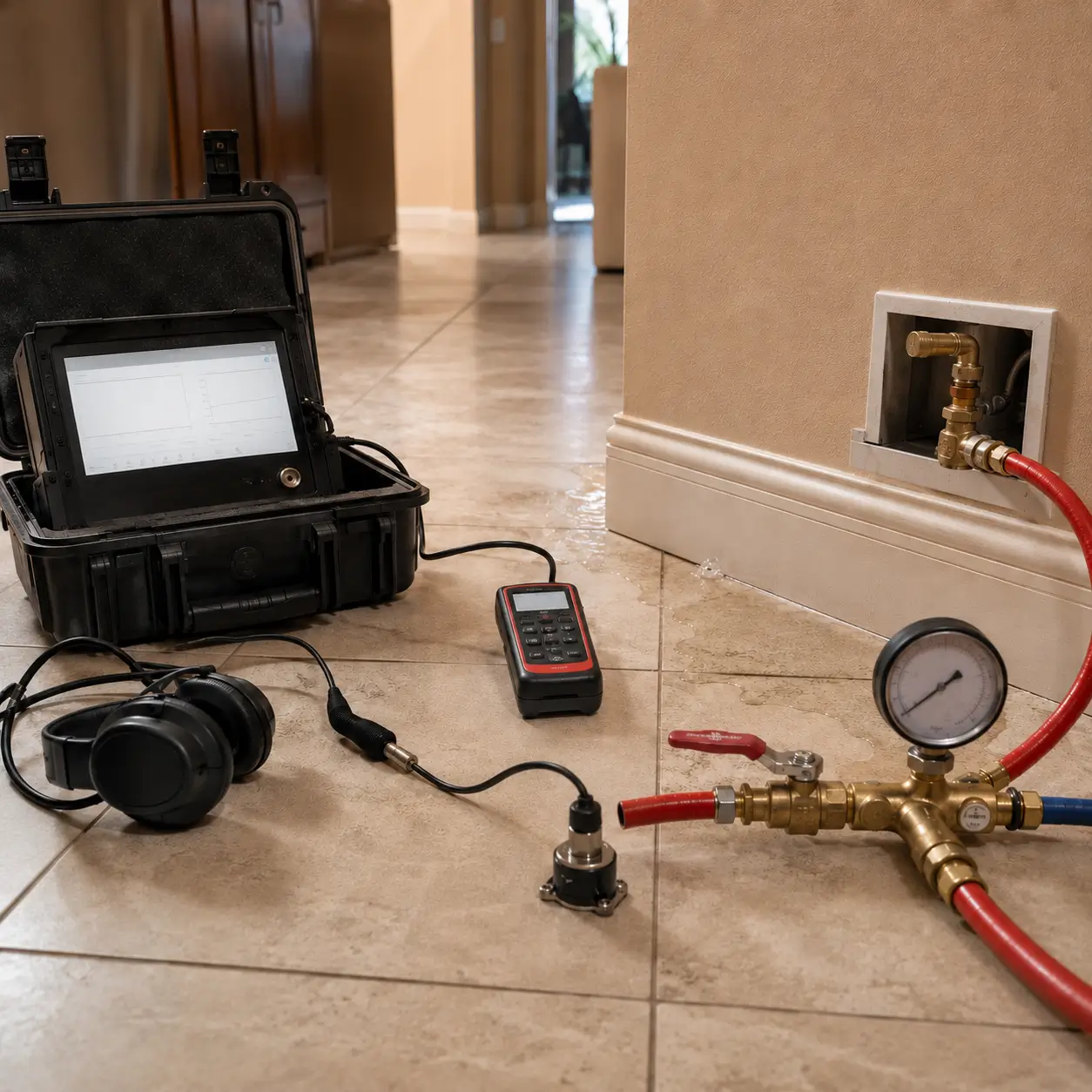
Slab Leak Detection
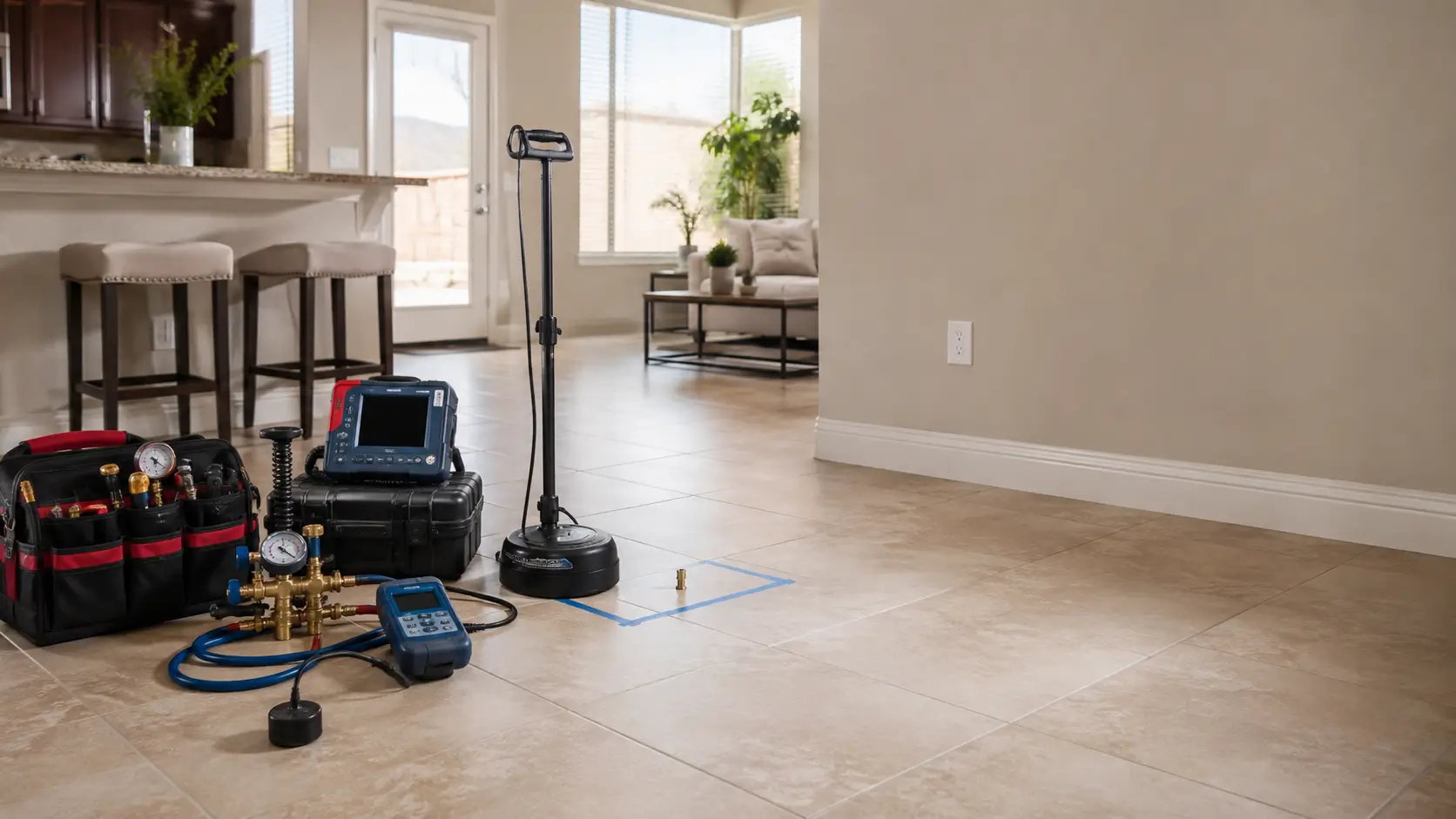
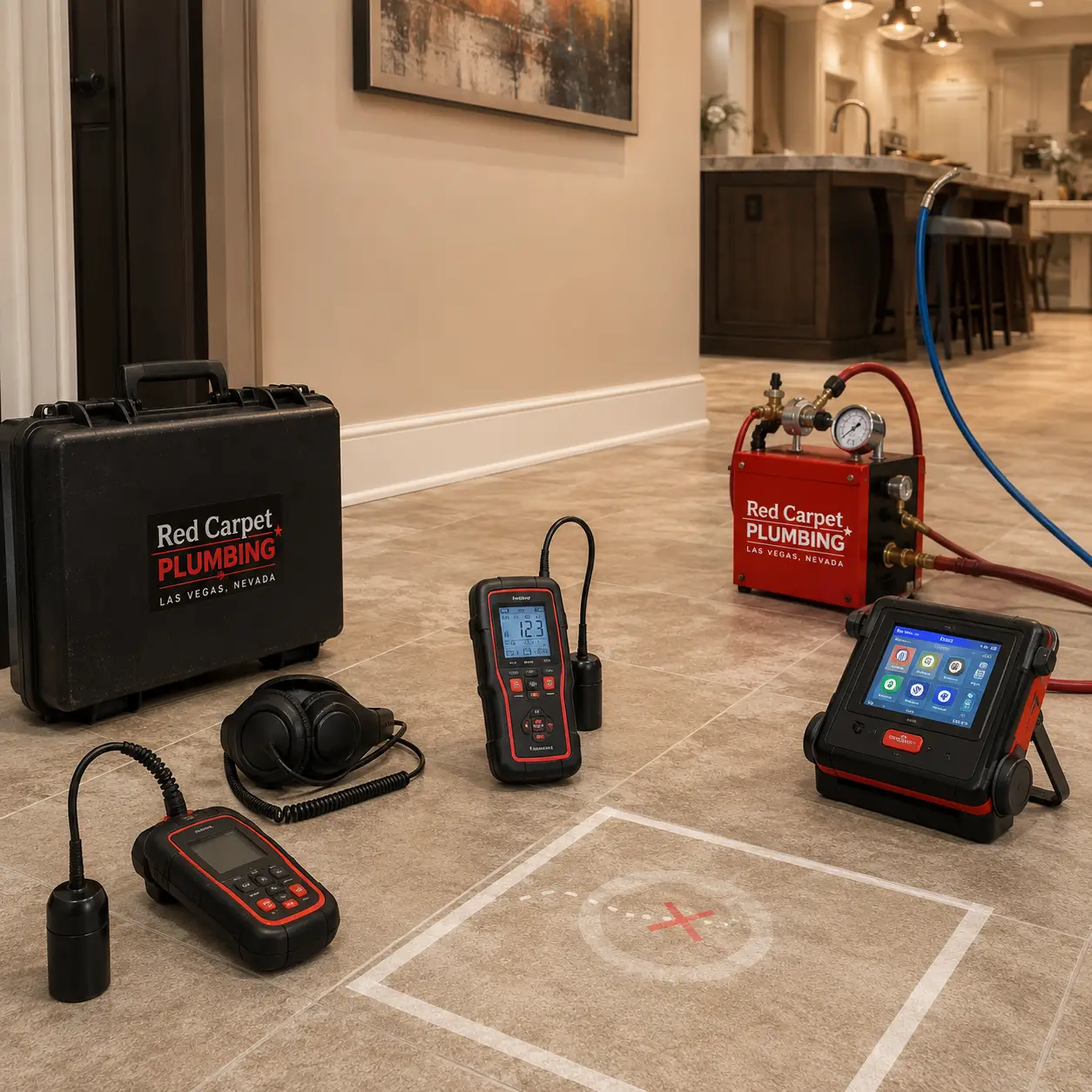
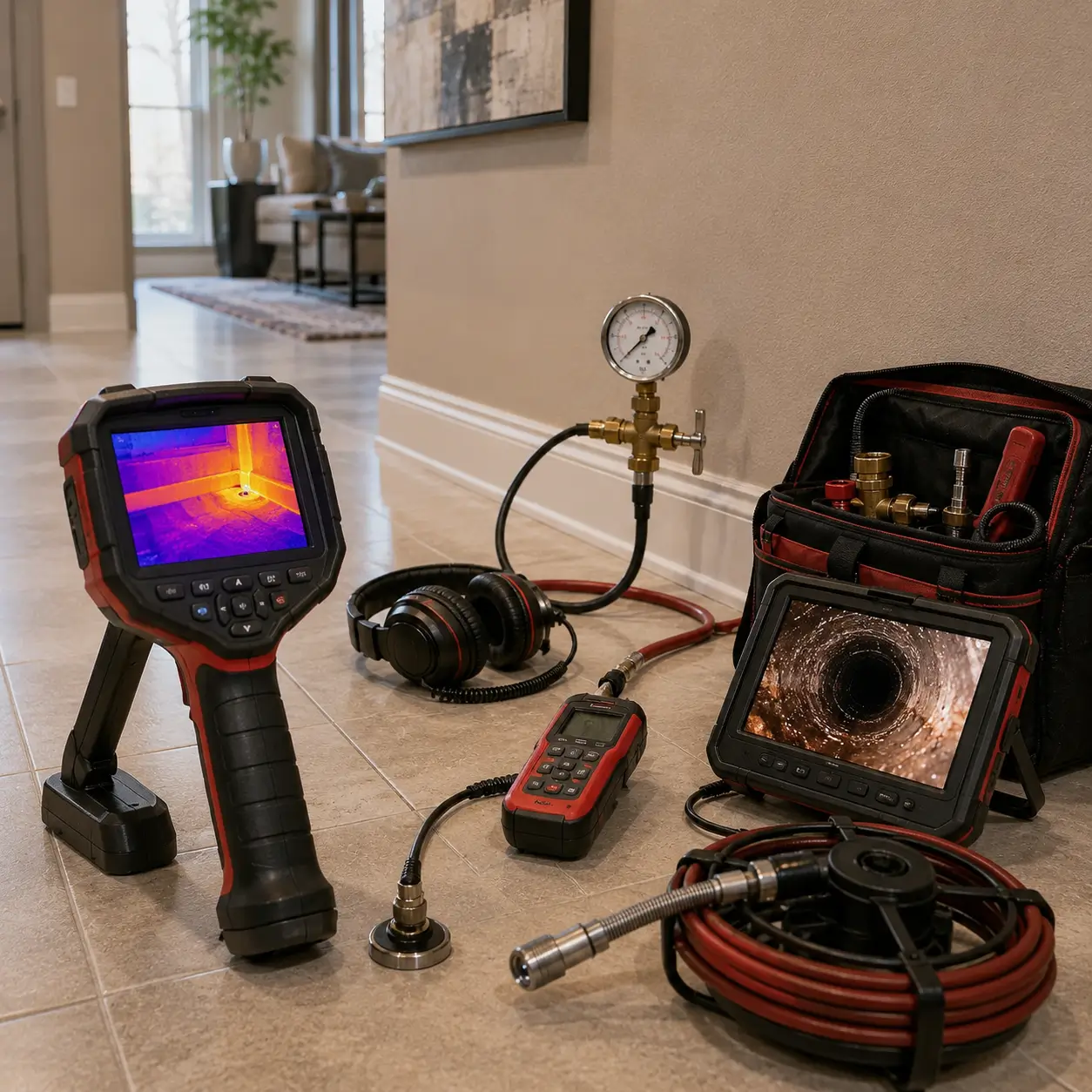
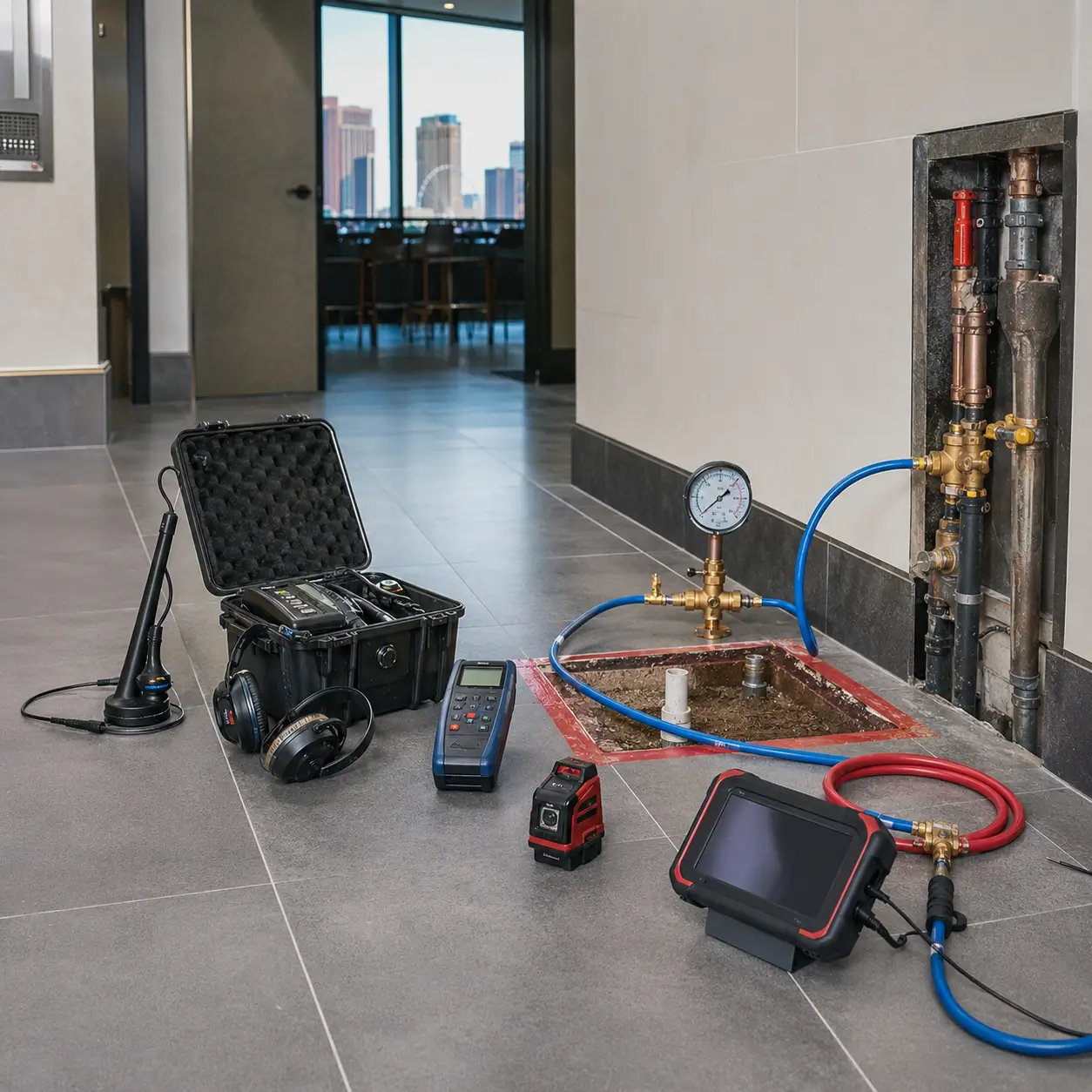
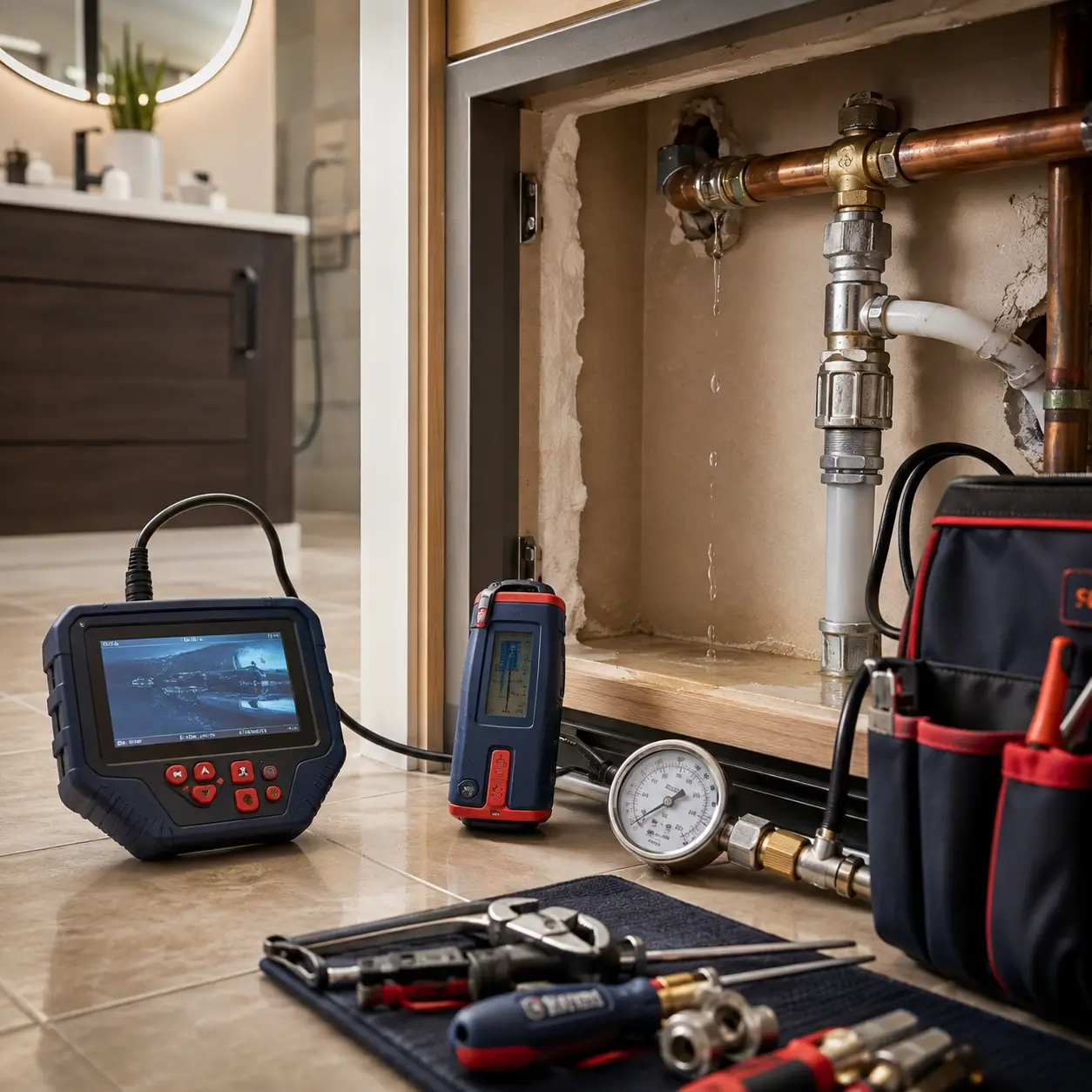
Red Carpet Plumbing uses professional acoustic sensors, electronic detection equipment, and pressure testing to locate slab leaks precisely before any repair begins. Accurate detection is essential to a slab leak repair because the right repair method and the scope of work depend entirely on knowing the exact location and severity of the leak.
Spot Repair Through Concrete
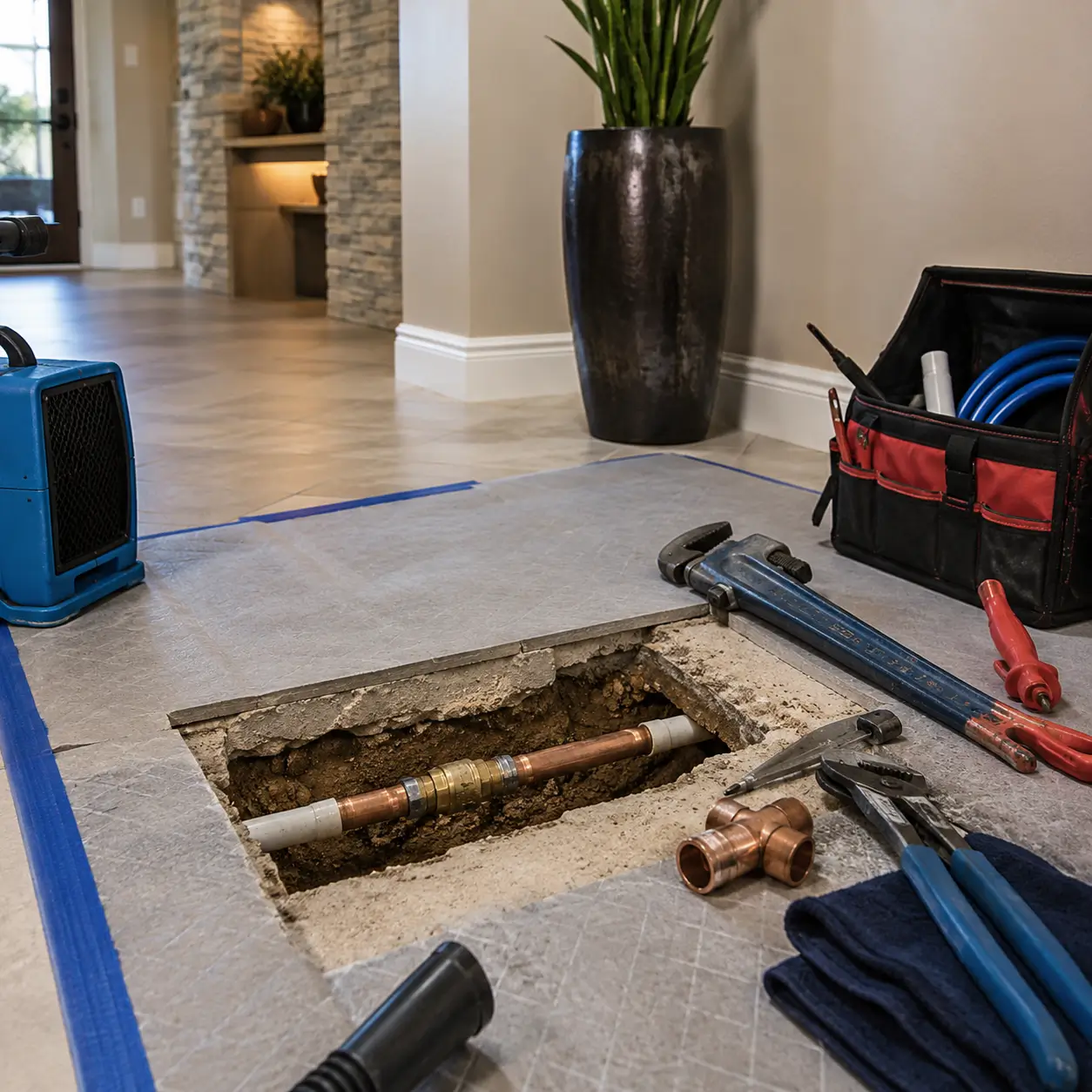
For isolated slab leaks in accessible locations, direct access repair through the concrete slab is an option. This involves cutting through the concrete at the leak location, repairing or replacing the damaged pipe section, and patching the concrete. Spot repair is appropriate when the leak is truly isolated and the surrounding pipe is in good condition.
Pipe Rerouting
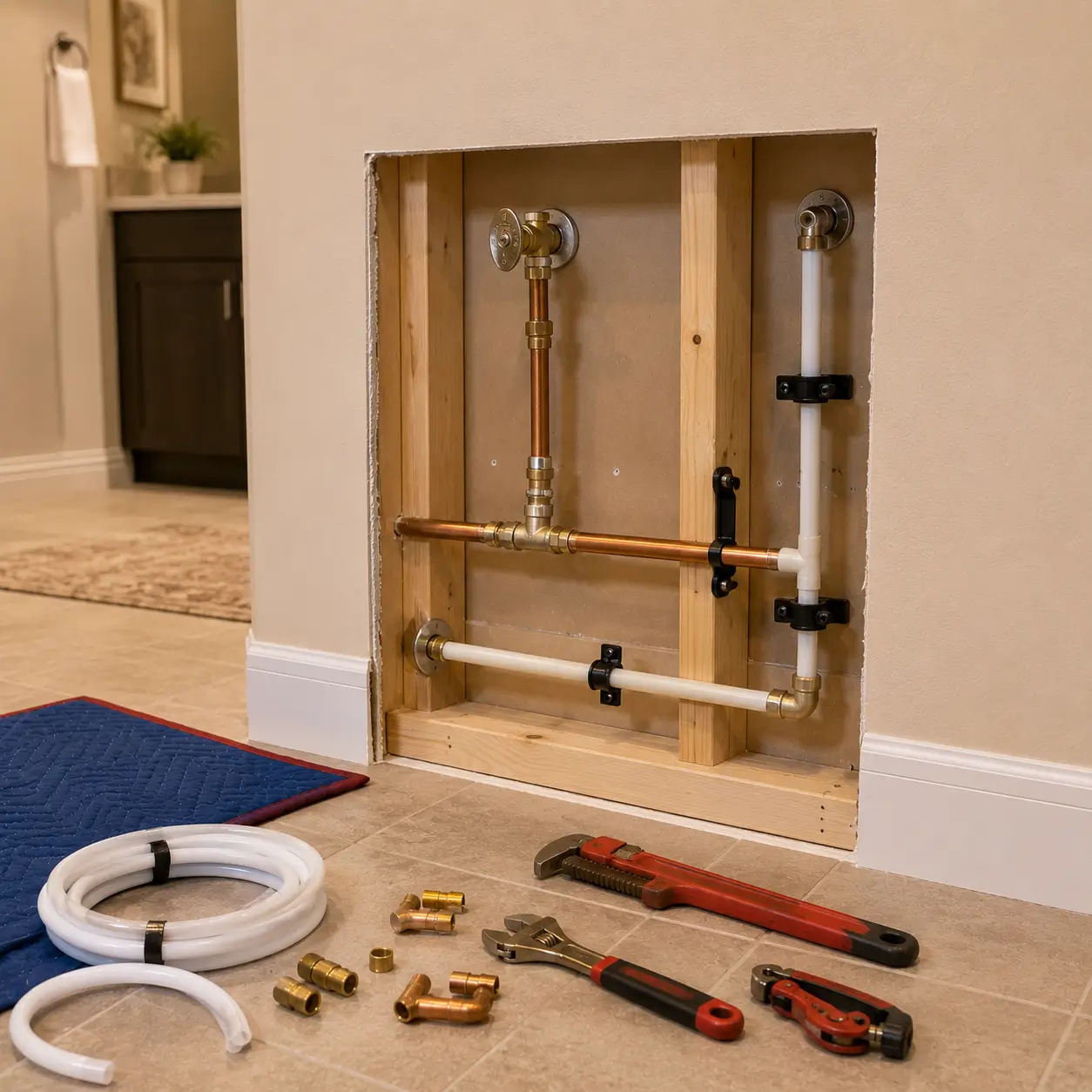
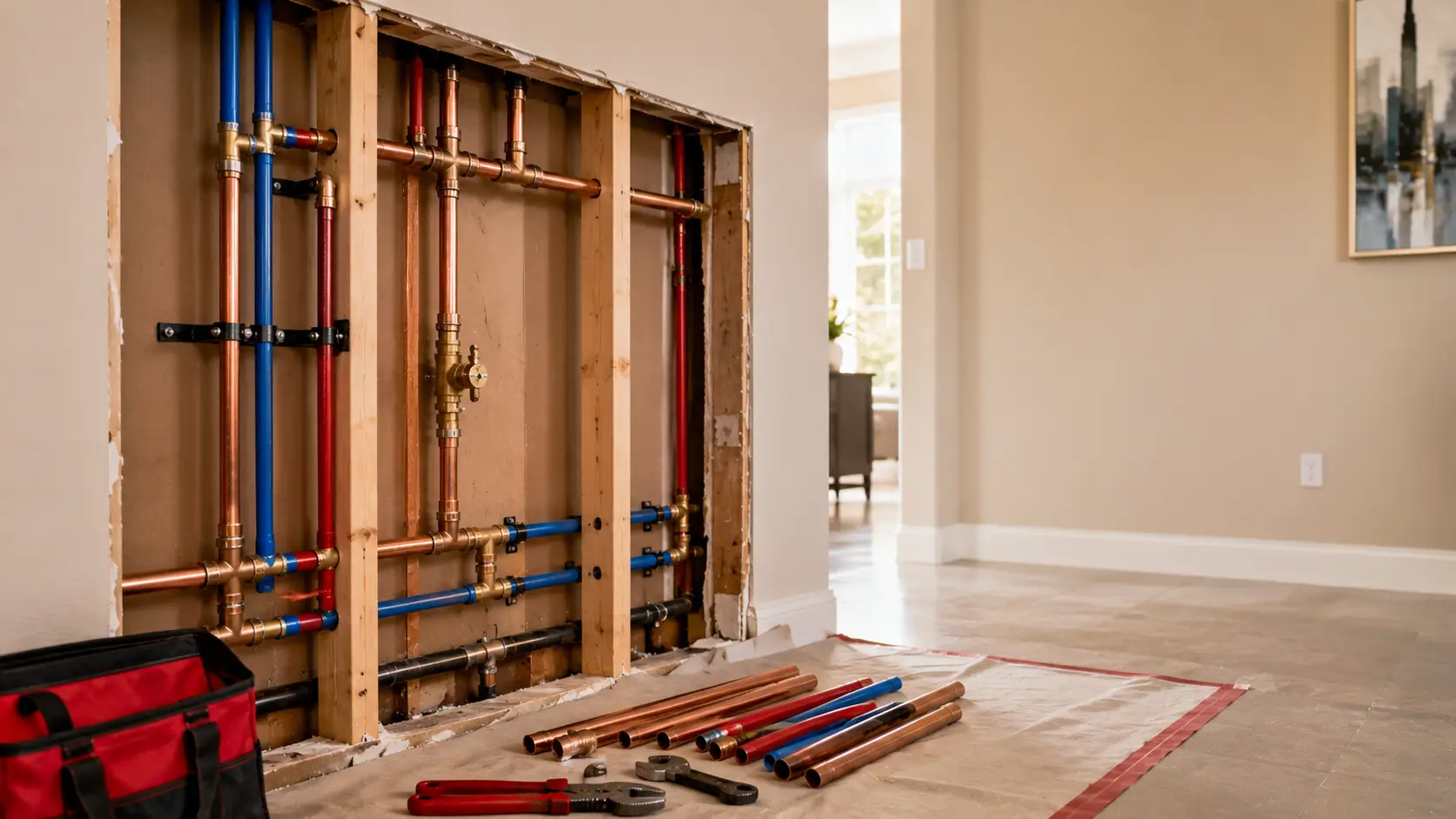
Pipe rerouting abandons the damaged pipe under the slab entirely and installs new water lines through walls, ceilings, or attic spaces to bypass the foundation. Rerouting eliminates the source of future slab leaks on the affected line and avoids ongoing foundation disruption. It is particularly appropriate when older pipes have multiple failure points or when the pipe material has reached the end of its service life.
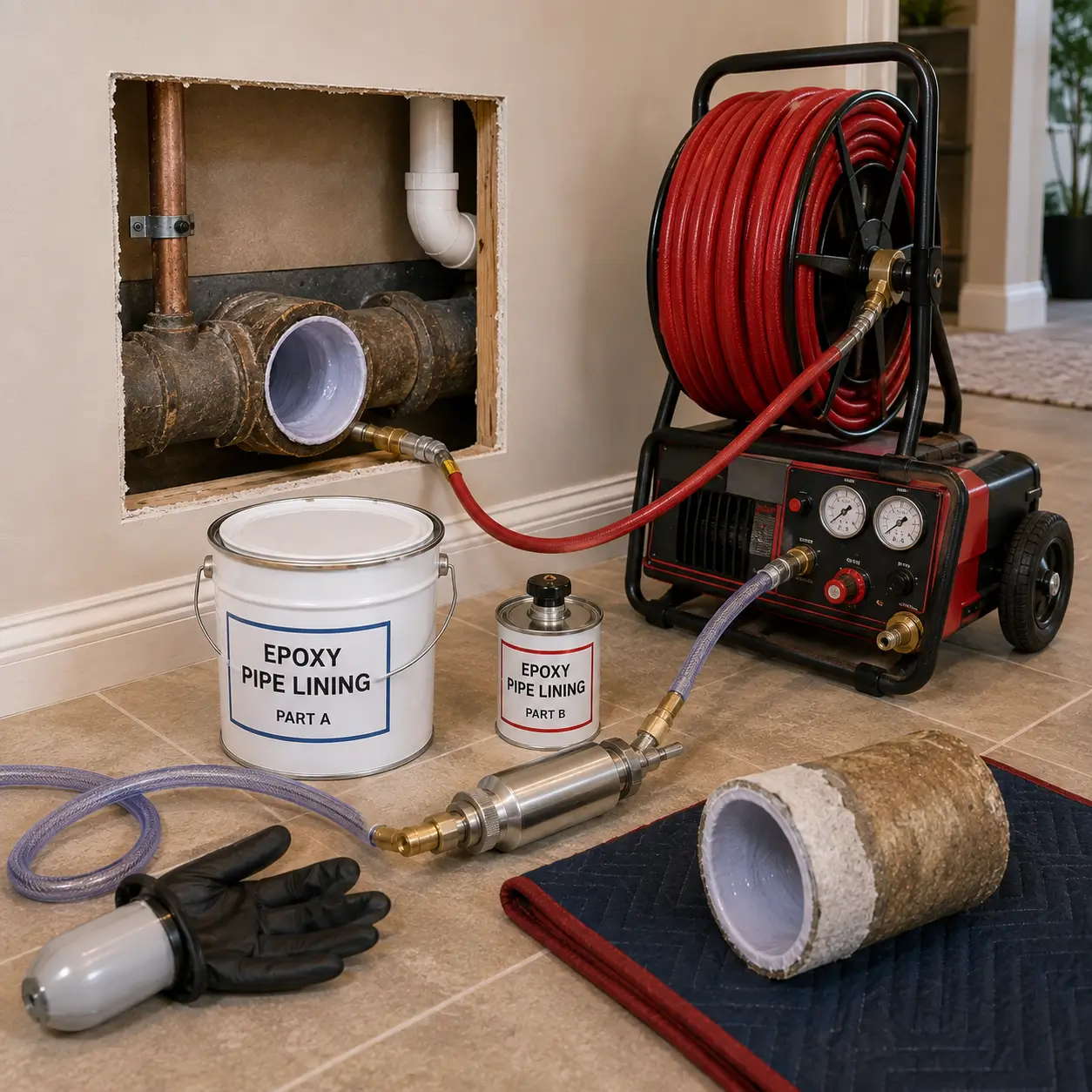
Epoxy Pipe Lining
For some slab leak situations, epoxy pipe lining is an option. A specialized epoxy coating is applied to the interior of the existing pipe, sealing cracks and restoring pipe integrity from the inside without excavation. This method is less invasive than concrete cutting and works best for pipes with localized damage where the overall pipe structure is still intact.
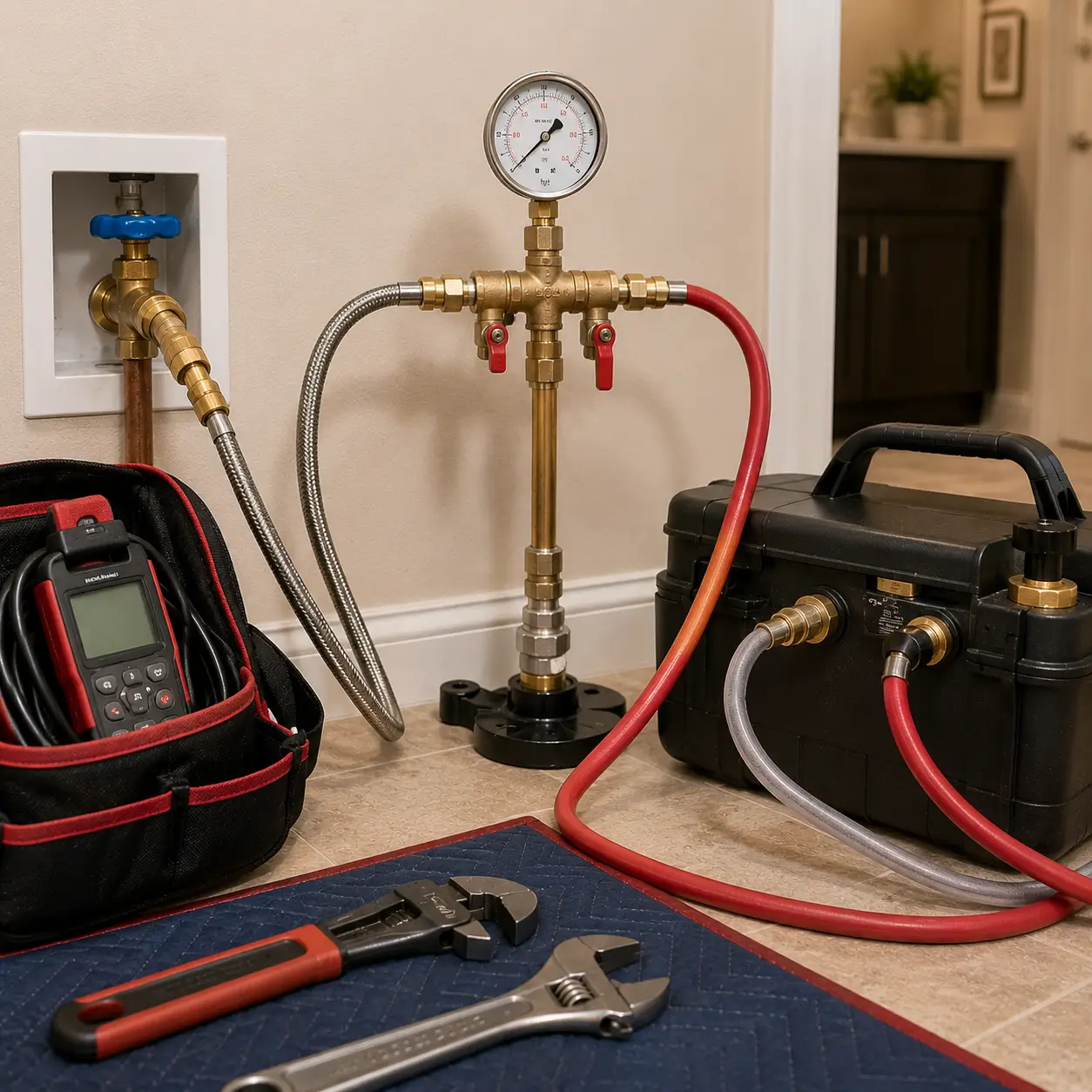
Pressure Testing
We use pressure testing to confirm active water loss in the plumbing system, isolate which line is losing pressure, and verify that repairs are complete and the line holds pressure after work is finished. Pressure testing is a standard part of the slab leak detection and verification process.
Thermal Imaging
Thermal imaging detects temperature differences caused by hot water leaking beneath the slab, showing up as warm spots on the floor surface. We use thermal imaging as part of the detection process for hot water line slab leaks to supplement acoustic detection and narrow the search area before pressure testing confirms the location.
Emergency Slab Leak Response
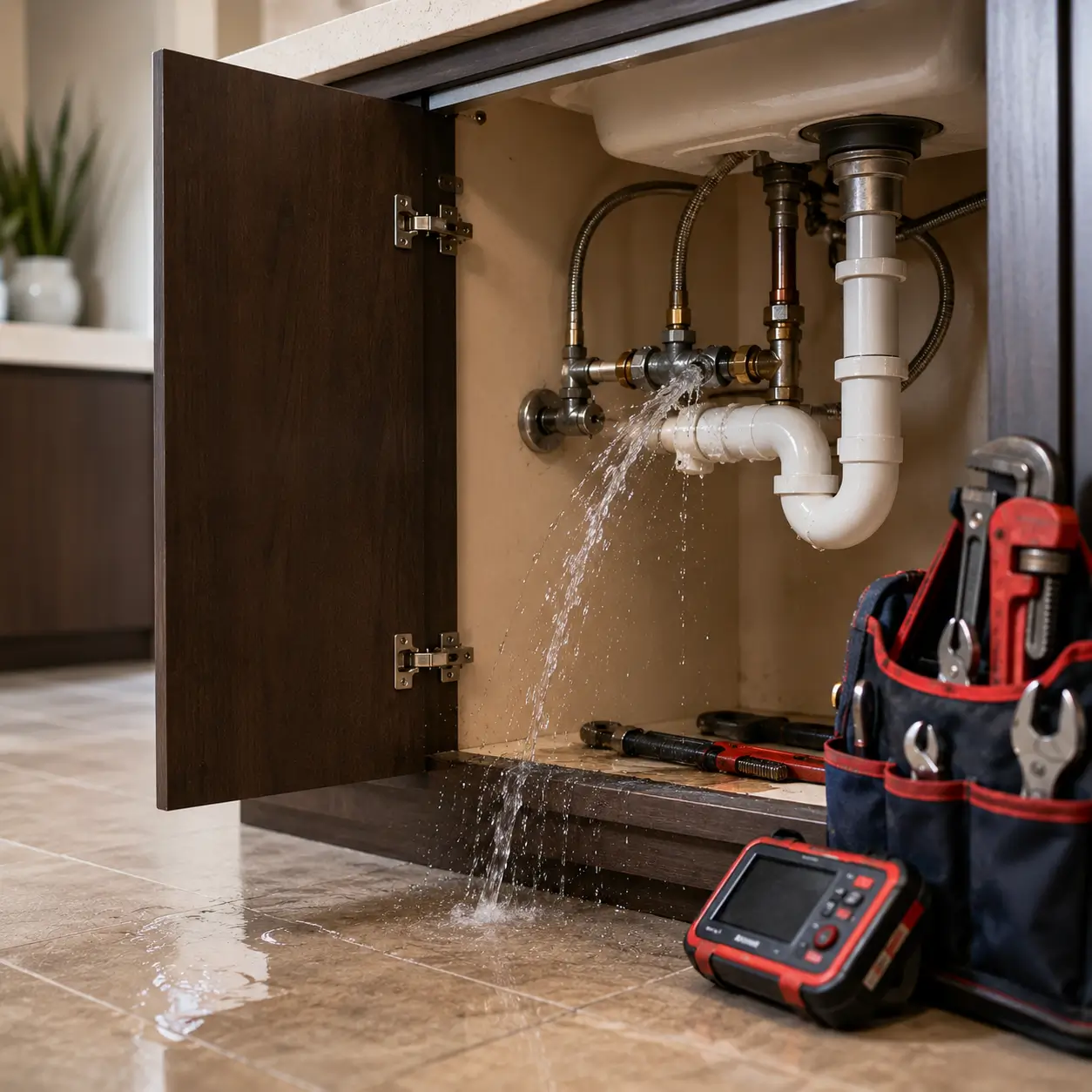
Active slab leaks that are causing water to surface on flooring, flooding enclosed spaces, or producing visible water damage require immediate attention. Red Carpet Plumbing is available 24/7 for emergency slab leak response. The first priority is stopping the water loss. We can shut off the water supply to the affected line to stop ongoing damage while the full repair is planned.
Commercial Slab Leak Detection and Repair
Slab leaks in commercial buildings, multi-unit residential properties, and HOA communities present unique challenges due to the size and complexity of the plumbing systems involved. Red Carpet Plumbing provides slab leak detection and repair for commercial properties throughout the Las Vegas Valley.
Why Slab Leaks Are Common in Las Vegas
Las Vegas has some of the highest rates of slab leaks in the country. The combination of extreme hard water, desert soil conditions, and aging pipe materials in many neighborhoods creates a perfect storm of factors that accelerate underground pipe failure.
Hard Water Mineral Corrosion in Embedded Pipes
Las Vegas water measures approximately 280 parts per million of dissolved minerals, making it among the hardest municipal water in the United States. Most Las Vegas homes built from the 1960s through the 1990s have copper water lines embedded in or running beneath the concrete slab. Over decades of exposure to this hard water, calcium and magnesium deposits build up inside the pipe walls, thinning them from the inside out. When the pipe wall becomes thin enough, the pressure of the water supply causes it to crack or develop a pinhole leak beneath the slab.
Caliche and Expansive Clay Soil Movement
The Las Vegas Valley sits on caliche (calcium carbonate-cemented soil) and expansive clay that shifts significantly with temperature changes, rare rainfall, and soil saturation. This soil movement puts constant stress on pipes buried beneath and embedded in concrete foundations. Even small soil shifts can create friction points where pipe contacts concrete rebar or aggregate, eventually wearing through the pipe wall. Soil settlement can also stress pipe joints and connections beneath the slab, causing connection failures that present as slab leaks.
Aging Copper and Polybutylene Pipes
Many Las Vegas homes built before 2000 still have original copper plumbing. After 30 to 50 years of exposure to Las Vegas hard water, these pipes have been continuously thinned by mineral corrosion. Homes built between the mid-1970s and mid-1990s may also have polybutylene pipes, which are particularly prone to sudden failure. When these aging pipe materials develop their first slab leak, it is often a sign that the rest of the line is approaching similar failure, making a repair approach that addresses the full line rather than just the immediate leak worth considering.
Pressure Stress from Closed-Loop Systems
Most Las Vegas homes operate on closed-loop plumbing systems due to backflow preventers at the street meter. Thermal expansion from water heating causes repeated pressure spikes in the plumbing system that stress pipe walls and joints. Over years of exposure, these pressure cycles accelerate pipe fatigue, particularly in pipes already thinned by hard water corrosion. The combination of mineral corrosion and repeated pressure stress is a primary driver of slab leaks in Las Vegas homes with older plumbing.
How Red Carpet Plumbing Detects and Repairs Slab Leaks
Slab leak repair requires accurate detection before any repair method can be selected. Here is how Red Carpet Plumbing approaches slab leak work for Las Vegas homes and businesses.
1
Detect and locate the slab leak precisely
We use acoustic sensors, pressure testing, and thermal imaging to locate the slab leak to within a few inches. Accurate location is essential because the repair method depends on the leak's position relative to the foundation, the pipe routing, and the structures above. We do not begin any repair until we have confirmed the exact leak location.
2
Assess the pipe condition and repair options
We assess the age and material of the affected pipe, the severity of the leak, whether additional failure points are likely on the same line, and what sits above the leak location. This assessment determines whether spot repair through concrete, pipe rerouting, or epoxy lining is the most appropriate solution for your specific situation.
3
Present repair options clearly before starting work
We explain each applicable repair option, including what it involves, how long it takes, what access is required, and what the job will cost, before any work begins. We do not start a slab leak repair without your understanding and approval of the approach. If you have questions about why one method is recommended over another for your situation, we answer them.
4
Complete the repair and verify the line holds pressure
After completing the repair, we pressure test the affected line to confirm it holds pressure and the leak is fully resolved. We do not close up the work area until testing confirms the repair is complete and the system is performing correctly.
Suspected Slab Leak in Las Vegas?
Red Carpet Plumbing provides professional slab leak detection and repair throughout the Las Vegas Valley. We locate leaks precisely before recommending a repair approach and present all options clearly before any work begins.
Frequently Asked Questions About Slab Leak Repair in Las Vegas
What is a slab leak?
A slab leak is a leak in the water or sewer pipes running beneath or embedded in a home's concrete foundation. In Las Vegas, most slab leaks occur in copper water lines that have been thinned by hard water mineral corrosion over decades of exposure. Slab leaks can also occur in sewer lines beneath the foundation. Both types can cause significant foundation and structural damage if not addressed promptly.
What are the signs of a slab leak in Las Vegas?
The most common signs are an unexplained increase in your water bill, the sound of running water when all fixtures are off, warm or hot spots on the floor (especially on tile or concrete), damp spots on flooring near walls, unexplained cracks in walls or flooring, a musty odor from floors or lower walls, and reduced water pressure throughout the home.
What causes slab leaks in Las Vegas homes?
The primary causes in Las Vegas are hard water mineral corrosion that thins copper pipe walls over decades of exposure, caliche and expansive clay soil movement that stresses pipes beneath the foundation, aging pipe materials in homes built before 2000, and pressure stress from closed-loop plumbing systems. Las Vegas has some of the highest rates of slab leaks in the country due to these combined conditions.
How is a slab leak detected?
Professional slab leak detection uses acoustic sensors to listen for the sound of pressurized water escaping beneath the slab, pressure testing to confirm and isolate water loss to a specific line, and thermal imaging to identify temperature differences caused by hot water leaks. These non-invasive methods locate the leak precisely before any repair begins.
What are my options for slab leak repair?
The three main options are spot repair through concrete, which involves cutting the slab at the leak location and repairing the pipe; pipe rerouting through walls or ceilings to bypass the damaged section entirely; and epoxy pipe lining, which seals cracks from the inside without excavation. The right option depends on the leak location, pipe condition, pipe age, and what sits above the leak.
Should I choose pipe rerouting or spot repair for a slab leak?
For isolated leaks in pipes that are otherwise in good condition, spot repair can be appropriate. For leaks in older pipes that have been thinned by hard water over decades, which describes many Las Vegas homes built before 2000, pipe rerouting is often the more durable long-term solution because it removes the aging pipe from under the slab entirely and eliminates the source of future slab leaks on that line.
How long does slab leak repair take?
Detection typically takes a few hours. Spot repair through concrete usually takes one to two days including concrete patching. Pipe rerouting typically takes one to three days depending on the complexity of the plumbing layout. Epoxy lining timelines vary based on pipe length and configuration. Red Carpet Plumbing will give you a timeline estimate before work begins.
Does Red Carpet Plumbing detect and repair slab leaks throughout Las Vegas?
Yes. Red Carpet Plumbing provides slab leak detection and repair throughout Las Vegas, Henderson, North Las Vegas, Summerlin, Paradise, Spring Valley, Enterprise, Boulder City, Green Valley, Lake Las Vegas, and surrounding communities in the Las Vegas Valley.
Do you offer same-day slab leak repair service in Las Vegas?
Same-day slab leak repair service is available in Las Vegas, subject to scheduling. Call (702) 567-9172 to check same-day availability for your address.
Ready to Schedule Slab Leak Service in Las Vegas?
Red Carpet Plumbing is available for slab leak detection and repair throughout the Las Vegas Valley. Licensed plumbers, 4.8-star rated, NV #0048585A.